NZ Solar Guide
What Happens When You Get Cheap Solar in New Zealand

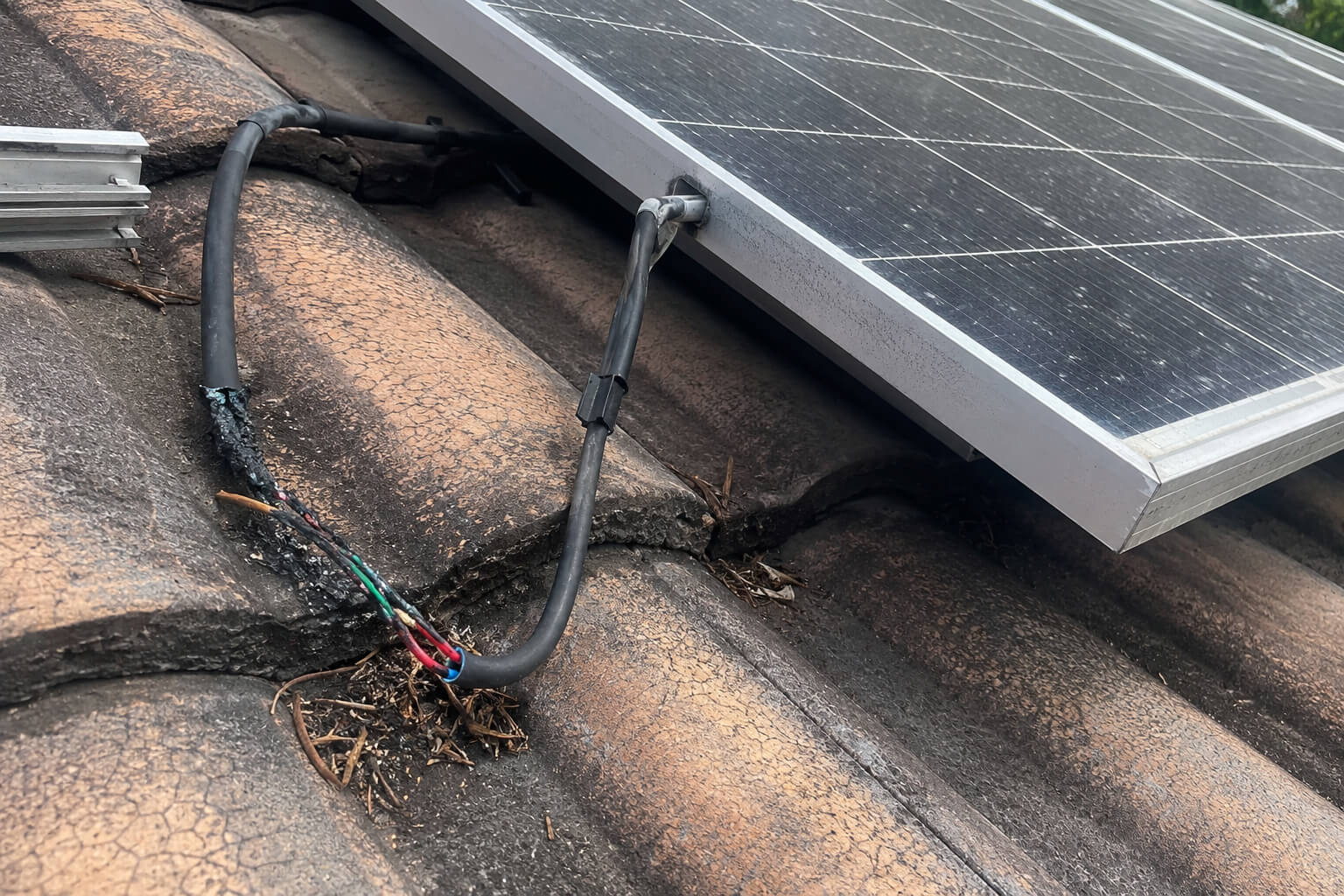
Here is the honest version: cheap solar is not automatically bad solar, but in New Zealand the word "cheap" almost always means a corner was cut somewhere you cannot see from the driveway. Sometimes that corner is harmless. More often it is the inverter that dies in year six, the panels that quietly underproduce from day one, the install company that has changed its name twice since you signed, or the network paperwork that was never actually lodged. The sticker price is the smallest number in the whole story. What matters is what the system costs you across 25 years, and a system that is cheap to buy but expensive to own is the worst trade in solar. This is what really happens when you go cheap, and how to tell a genuine bargain from a future headache.
Cheap is not the same as poor value
Let us be fair before we are critical. A low price is not the enemy. Installers run promotions, trim their margins to win a competitive job, and sometimes pass on a genuinely good deal on end-of-line gear from a reputable brand. None of that should worry you. A keen price on a quality install is exactly what you want, and it is part of why we always tell people to get three quotes.
The problem is a particular kind of cheap: the quote that is cheap because something was substituted, skipped, or rushed, and you were never told. In New Zealand a fair, fully installed price for quality gear sits at roughly $1.60 to $2.10 per watt. When a quote lands well below that band, it is not a scandal, but it is a question. The honest installer can tell you exactly why their number is lower. The one to avoid cannot, because the saving is coming out of something that will cost you later.
So the test is never the number on its own. It is what got cut to reach it.
Where the money gets saved, and what it costs you later
When a system is suspiciously cheap, the saving almost always comes from one or more of these places. Each one looks invisible on install day and expensive a few years on.
- The panels. Off-brand, B-grade or "blemished" modules, or parallel-imported panels with no local warranty support. They may work fine at first, then degrade faster than the spec sheet promised, and good luck claiming on a warranty held by a company with no New Zealand presence.
- The inverter. This is the brain of the system and the part most likely to fail. The cheapest string inverters often come with short warranties, no real monitoring, and thin local support. Saving a few hundred dollars here is how you end up with a dead system and a slow, painful replacement.
- The mounting and isolators. Racking and rooftop isolators that are not rated for your conditions (coastal salt, high wind, heavy frost) corrode, work loose, or fail. This is boring, unglamorous hardware, and it is exactly where a cut-price job skimps.
- The design. No proper shading or orientation analysis, panels crammed onto a roof face that does not suit them, or a headline kW figure inflated to sound impressive while the real-world generation is mediocre. A cheap quote is often a copy-paste design, not a design for your roof.
- The labour. The work subcontracted to whoever was cheapest and available, rushed into a single day, with no licensed electrical worker actually on site or properly supervising. Quality installs cost more because skilled, certified people cost more.
- The paperwork. No connection application lodged with your lines company, and no Certificate of Compliance issued. This is the saving you cannot see at all, and it is the one that can come back to bite you hardest.
If those terms are unfamiliar, that is normal, and it is exactly how a weak quote hides in plain sight. We keep a plain-English rundown of everything you will see on a quote in the NZ solar jargon buster.
What actually happens, year by year
The trouble with cheap solar is that it usually looks fine for just long enough to get past the point of no return. Here is how the story tends to run.
- The sale. A price that undercuts everyone else, often with a today-only discount and a system size that sounds generous. The pressure is to sign now, not to understand what you are buying.
- Install day. One rushed day on the roof, little explanation, and no proper commissioning walk-through. You are handed nothing much and left to assume it is all working.
- Year one. It looks fine. The monitoring was never set up, or there is none, so you have no real idea what it is producing. Your bill drops a bit and you stop thinking about it.
- Years two to four. Production is quietly below what was promised. A panel or string develops a fault that you never notice, because nothing is watching. The first small roof leak appears around a poorly sealed penetration.
- Years five to eight. The inverter fails, which is the single most common fault. You call the installer. The number is dead, or the company has been wound up and reborn under a new name. The manufacturer will only honour the warranty with proof of a compliant install and registration that you do not have.
- The reckoning. You pay for a new inverter, possibly remedial wiring or roof repairs, and your payback, which the salesperson sketched at eight years, quietly stretches past twelve. The cheap system turned out to be the expensive one.
None of this is inevitable, and plenty of budget systems run for years without drama. But this is the failure pattern we see, and every step of it traces back to a corner cut to hit a price.
The warranty trap
A warranty is only ever as strong as the company standing behind it, and this is where cheap solar quietly falls apart. There are three separate warranties on a system, and people rarely realise they are different things.
- The panel product warranty, covering the panel itself against defects.
- The panel performance warranty, guaranteeing it still produces a set percentage of its rated output years down the track.
- The workmanship warranty on the install itself, which is the installer's own promise about the job they did.
The first two come from the manufacturer, and they often require proof of a compliant install plus product registration before they will pay out. Even when a claim succeeds, shipping a faulty inverter back and the labour to climb the roof and swap it are usually on you. The third warranty, the workmanship one, dies the moment the company does. A ten-year workmanship warranty from an outfit that vanishes in year three is worth nothing.
The question to ask is brutally simple: who do I call in year seven, and will they still exist? A cheap quote rarely has a good answer.
Safety and compliance, the part nobody photographs
This is the section the bargain installers hope you never read. In New Zealand, grid-tied solar is prescribed electrical work. That means it must be carried out or properly supervised by a licensed electrical worker, the system has to meet the recognised standards (AS/NZS 5033 for the array and AS/NZS 4777 for the grid-connected inverter), and you should be issued a Certificate of Compliance for the work. On top of that, your lines company has to approve the connection through a distributed generation application before the system legally goes live.
Cut-price jobs are exactly where these steps get skipped, because they take time and qualified people, and time and qualified people cost money. The consequences are not theoretical:
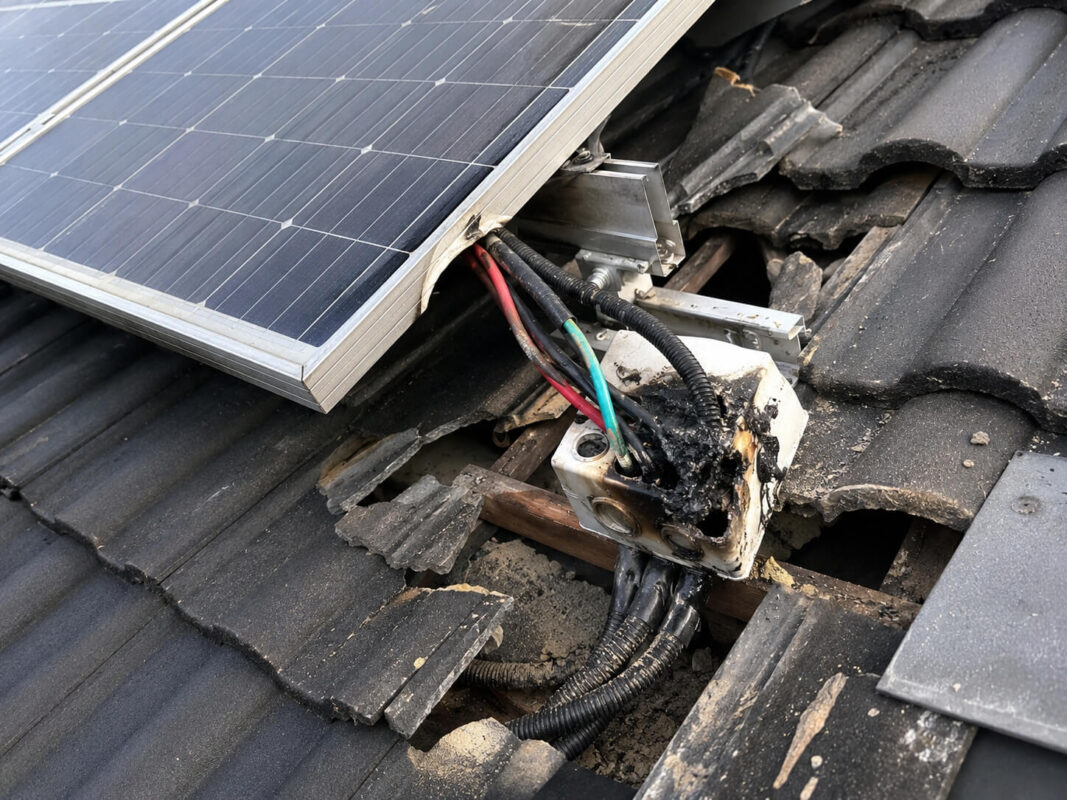
- Fire risk. Faulty rooftop DC isolators and poorly made connections have a real history of causing fires across this part of the world. This is the most serious reason not to let an unqualified crew rush your install.
- Roof damage. Penetrations sealed badly leak, and a leak you do not find for a year does expensive, hidden damage.
- An unapproved system. Connect generation to the network without approval and you can be ordered to disconnect it, leaving you with an expensive ornament on the roof.
This is not fearmongering, it is the boring, unglamorous compliance that a proper price pays for. When you pay too little, this is very often what you are not getting.
The maths: why cheap usually costs more
Solar only pays because it produces reliably, year after year, for decades. That is the entire financial case. Cheap solar attacks it from two directions at once.
First, underproduction. Every unit your system fails to make is a unit you have to buy from the grid at 28 to 36 cents, instead of one you generate and use yourself. As we explain in our main guide to solar in New Zealand, the units you use yourself are worth two to three times what you earn exporting them, so a system that quietly underdelivers is bleeding value from the most valuable part of your generation.
Second, downtime and replacement. Every month a failed inverter sits dead, you are back to buying all your power at full retail price, and then you have the replacement bill on top. A system that costs $2,000 less upfront but loses you a season of generation and needs an early inverter swap has wiped out its saving several times over.
The honest way to see this for yourself is to run the numbers on a properly specified system. Our solar cost and ROI calculator will show you a realistic payback on a system that actually works, which is the only fair thing to compare a cheap quote against.
How to tell a real bargain from a trap
You do not need to be an electrician to protect yourself. You just need to ask for the things a cut-price quote leaves out. Run any cheap quote through this checklist.
- Named brands and models, for both the panels and the inverter. "Tier-1 panels" or "premium European inverter" is not an answer. Get the actual make and model so you can check the warranty and the reviews yourself.
- All three warranties, written out separately, with the workmanship warranty at ten years or more, and a company that looks established enough to honour it.
- A written generation estimate with its assumptions. What orientation, tilt and shading did they assume? A real design states this. A cheap one waves at a big number.
- Confirmation the install includes a Certificate of Compliance, and that they will lodge the connection application with your lines company.
- A named, licensed electrical worker who will physically be on your roof, not an anonymous subcontractor booked the night before.
- Monitoring, set up and demonstrated at handover, so you can actually see whether the system performs.
- A price that makes sense for the gear quoted. If it sits well below the fair band, get the reason in writing. A good installer will happily explain it.
The simplest protection of all is comparison. Three quotes from installers who know your local network make a weak one obvious, because the corners that were cut show up the moment you put the quotes side by side. You can find vetted installers who work in your area through our installers by region directory.
When cheaper is genuinely fine
We promised to be fair, so here it is. Cheaper-but-sound absolutely exists, and you should not talk yourself out of a good deal out of fear. A lower price is perfectly reasonable when:
- It is a smaller, simpler system on an unshaded north-facing roof, where a straightforward string inverter is genuinely the right tool and there is nothing complex to pay for.
- It is a known brand on an end-of-line or clearance deal, with full local warranty support intact.
- An installer is trimming their margin to win a competitive three-quote job, which is the market working exactly as it should.
- You are paying cash, avoiding the finance costs that quietly pad some bundled deals.
In every one of those cases the price is low because something honest is going on, not because something was hidden. That is the whole distinction. The number is never the problem. The unanswered question behind the number is.
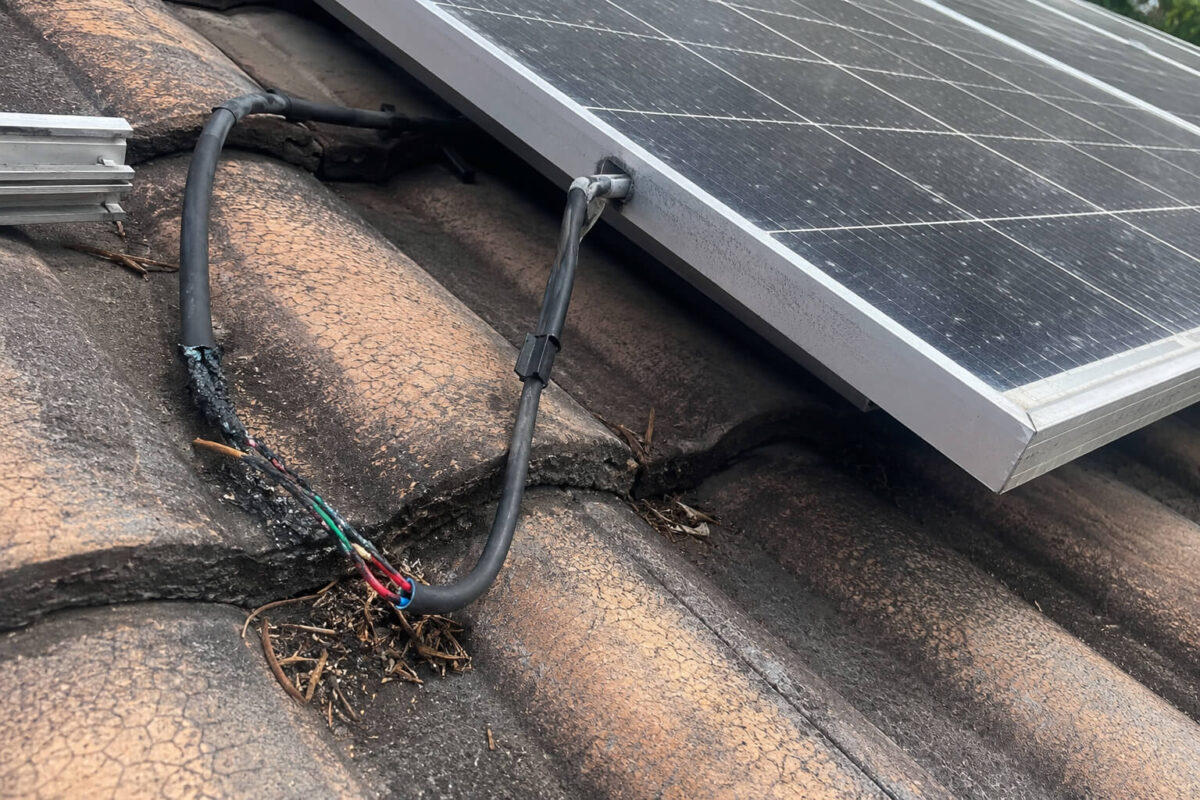
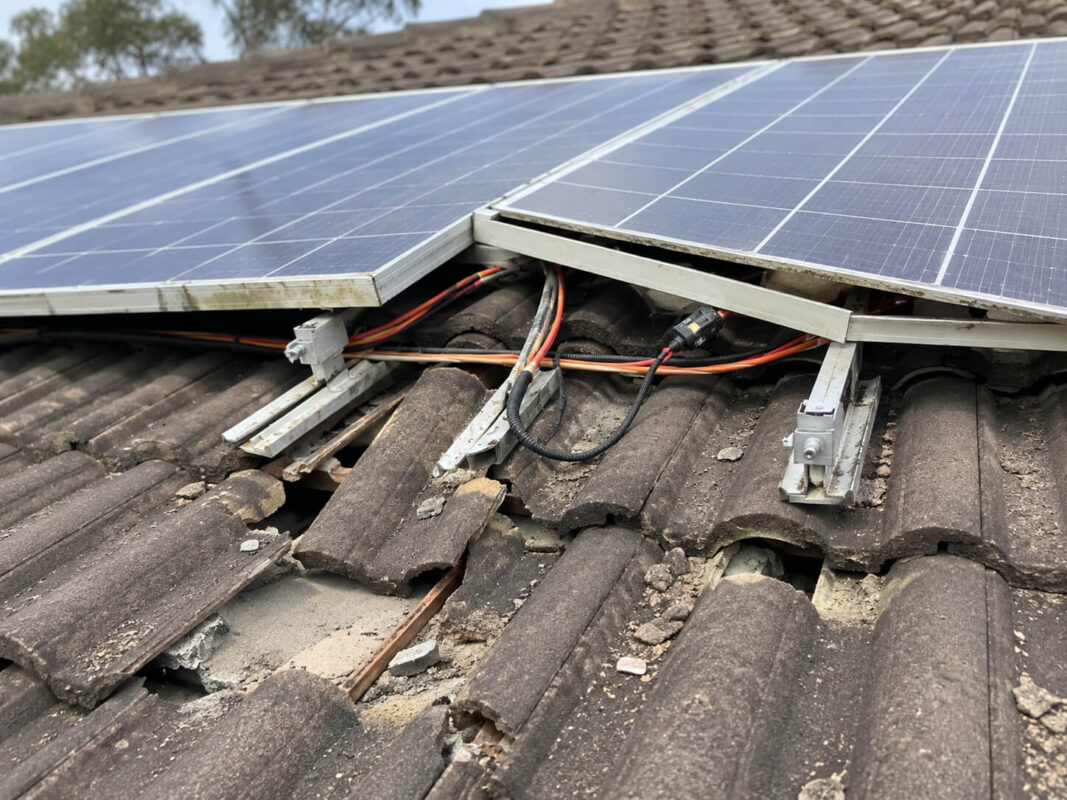
Photos of Cheap Solar Installations
Frequently Asked Questions
Is cheap solar always bad?
No. A keen price on quality gear from a reputable installer is exactly what you want, and getting three quotes is how you find it. The danger is the quote that is cheap because something was substituted or skipped without telling you. The number itself is fine. The hidden compromise is not.
Why is one of my quotes so much cheaper than the others?
Usually because something is different: off-brand panels, the cheapest inverter, a copy-paste design, subcontracted labour, or skipped paperwork. A good installer can explain exactly why their price is lower. If the cheap quote cannot give you a clear, specific reason, treat the saving as a warning rather than a win.
What is most likely to fail on a cheap system?
The inverter. It is the hardest-working component and the one most likely to need replacing, and budget systems tend to pair the cheapest inverter with the weakest warranty and the least local support. When it dies and the installer has disappeared, you are left covering the replacement and the labour yourself.
What is a fair price for solar in New Zealand in 2026?
Roughly $1.60 to $2.10 per watt fully installed for quality gear, which puts a typical 5kW system around $9,000 to $12,000. A quote well below that band is not automatically a scam, but you should ask precisely what is different about it and get the answer in writing.
What is a Certificate of Compliance and do I need one?
It is the certificate confirming the electrical work was done to standard by a licensed electrical worker. Grid-tied solar is prescribed electrical work in New Zealand, so you should receive one. If an installer cannot tell you that a Certificate of Compliance is included, that is a serious red flag.
Do I really need my lines company to approve the system?
Yes. Your lines company has to approve the connection through a distributed generation application before the system goes live. Skipping this is a common cut-price shortcut, and a system connected without approval can be ordered disconnected, leaving you with hardware you cannot legally run.
What happens to my warranty if the installer goes out of business?
The workmanship warranty effectively dies with the company, since there is no one left to honour it. The manufacturer warranties on the panels and inverter may survive, but they often require proof of a compliant install and product registration, and rarely cover the labour to remove and replace a faulty part. Always ask who you would call in year seven.
Are cheap or unbranded panels a fire risk?
The bigger fire risk usually comes from poor installation and faulty components like rooftop DC isolators and connections rather than the panels themselves. That is precisely why a rushed, unqualified, cut-price install is the thing to avoid. Quality components installed properly by a licensed worker are what keep the system safe.
Can I just replace a cheap inverter later with a better one?
You can, and many people end up doing exactly that, but it is an avoidable cost. You pay twice: once for the cheap inverter and again for the good one, plus the labour. Buying a quality inverter with a solid warranty and local support up front is almost always cheaper across the life of the system.
How do I check that an installer is legitimate?
Ask for the named licensed electrical worker who will be on your roof, confirm a Certificate of Compliance and a lines company connection application are included, get the panel and inverter makes and models in writing, and check how long the company has traded. Comparing three quotes side by side makes a weak operator obvious.
Is a string inverter a cheap cop-out?
Not at all. On a simple, unshaded roof a good string inverter is the right and cost-effective choice. The issue is never the type of inverter, it is choosing the cheapest possible unit with a short warranty and no monitoring purely to drop the headline price.
I think I already have a cheap or dodgy system. What should I do?
Find a reputable local installer or electrician to inspect it, check whether a Certificate of Compliance was issued and whether the connection was ever approved, and get the monitoring working so you can see how it is actually performing. Sorting a quiet problem early is far cheaper than discovering it when the inverter fails.
The Bottom Line
Cheap solar is a trap only when the low price is hiding a compromise you were not told about, and a bargain only when it is not. The way to tell them apart is to stop staring at the headline number and start asking what sits behind it: the brands, the warranties, the licensed worker on the roof, the Certificate of Compliance, the network approval, and a generation estimate that states its assumptions. Get those answers and a genuinely good deal will shine while a dangerous one will crumble.
Do not be rushed by a today-only discount, and do not be scared off a fair price either. Get three quotes from installers who know your network, run a properly specified system through the ROI calculator, and compare like for like. Done that way, you will spend the right amount once, on a system that quietly pays you back for 25 years, which is the entire point of going solar in the first place.