NZ Solar Guide
The Best Solar Panels and Batteries for New Zealand Homes

The best solar panels and batteries for a New Zealand home are not the most expensive ones, and they are almost never the brand the salesperson is pushing hardest. For most Kiwi homes in 2025, the smart buy is a quality N-type tier-1 panel paired with a well-matched inverter, and a battery only if your daytime usage and power plan genuinely justify it. A fully installed 5kW to 6.6kW system runs roughly $9,000 to $14,000 (around $1.70 to $2.20 per watt installed, per MBIE pricing data and current installer quotes). The hardware matters less than how well it is sized and installed. Get those two things right and the gear becomes almost boring, which is exactly what you want from something bolted to your roof for 25 years.
Below is the honest, plain-English rundown of what actually separates good solar hardware from the rest, what the warranty fine print really means, and how to tell whether a battery belongs on your wall or in someone else's marketing brochure.
Why hardware choice matters more in NZ than people think
New Zealand is a small, demanding market for solar gear. Our weather swings hard: humid sub-tropical summers up in Northland, hard frosts and brilliant clear winter skies in Central Otago, salt-laden coastal air almost everywhere because no one lives far from the sea.
That matters because solar hardware is not one-size-fits-all. A panel that performs beautifully in a dry inland climate can corrode at the frame and junction box years early on a coastal Auckland or Wellington roof. A battery rated for a temperate garage can lose capacity faster in an uninsulated Canterbury shed that hits single digits overnight.
The other reality: when something fails in eight years, you need the manufacturer to still exist and still honour the warranty in Aotearoa. Plenty of brands that flooded the market a decade ago have vanished, leaving homeowners holding a worthless warranty card. So part of "best" is simply "still here, and reachable, in 2035".
Solar panels: what actually matters (and what doesn't)
Walk into any quote conversation and you'll get hit with three numbers: efficiency, degradation, and wattage. Here is what each one really means for your roof and your wallet.
Efficiency: useful, but oversold
Efficiency is simply how much of the sunlight hitting the panel gets turned into electricity. Most quality residential panels in NZ sit between 20% and 23% in 2025. Higher efficiency means more power from the same physical area.
Here is the bit installers rarely say out loud: efficiency only matters if your roof is tight on space. If you've got a big, unshaded Canterbury-plains roof, a slightly less efficient panel that costs less per watt can be the smarter buy, because you simply fit a couple more of them. If you've got a small, complicated Auckland villa roof with dormers and a chimney, every percentage point of efficiency earns its keep.
Do not pay a premium for "23% efficiency" if you have acres of roof. You're buying a number, not a benefit.
Degradation: the number that decides 25-year value
Every panel makes slightly less power each year as it ages. This is degradation, and it's where cheaper panels quietly cost you.
- A budget panel might degrade around 0.55% to 0.7% per year.
- A quality N-type panel typically degrades 0.4% or less per year, with many now guaranteeing 87% to 90% of original output at year 25 to 30.
That gap compounds. Over 25 years the better panel can be producing meaningfully more power in its later life, right when your cheaper panels are tiring out. The difference in lifetime generation can easily outweigh a small upfront price gap.
N-type vs P-type: the real upgrade of the last few years
The genuine leap in panel technology recently has been the shift from older P-type cells to newer N-type cells (you'll see the term TOPCon thrown around). N-type panels generally degrade more slowly, perform better in heat, and handle low light a touch better, which matters on a grey West Coast winter morning.
For most NZ homes buying in 2025, N-type is now the sensible default rather than a luxury, and the price premium has shrunk a lot. We've broken down exactly how the two compare in our climate over here: N-type vs P-type solar cells for the NZ climate.
"Tier-1": the most misunderstood label in solar
You'll be told a panel is "Tier-1" as if it's a quality stamp. It isn't, not in the way people assume. Tier-1 is a financial ranking of manufacturer bankability, not a measure of how good the panel is or how long it'll last on your roof.
It's still a useful signal (a bankable manufacturer is more likely to be around to honour your warranty), but it is not a guarantee of quality. We've pulled apart what the label genuinely tells you, and what it doesn't, here: what Tier-1 really means for your warranty.
If you want a worked example of how the newer N-type brands stack up in practice, we put two of the more talked-about ones under the microscope: our review of DAS Solar and Tongwei N-type panels.
Reading a panel warranty without getting stung
This is where the money quietly leaks out. A solar panel comes with two completely separate warranties, and installers love to blur them together.
Product warranty vs performance warranty
- Product warranty covers manufacturing faults: the panel physically failing, delaminating, frame corroding. Quality panels now offer 15 to 30 years. Budget panels often only 10 to 12.
- Performance warranty guarantees the panel still produces a minimum percentage of its rated output after a set time, usually 25 to 30 years.
When a quote says "25-year warranty", ask which one. A 25-year performance warranty paired with a 12-year product warranty is a far weaker offer than 25-and-25, and the salesperson knows it.
The clause that quietly voids your cover
Here's something most homeowners never get told. Nearly every panel manufacturer's warranty requires the panels to be installed by a certified installer to the manufacturer's spec, and many require the system to be registered with the manufacturer within a set window after install.
If your installer cuts corners, mixes incompatible components, or never registers the system, your "25-year warranty" can be worthless from day one and you'd never know until you try to claim. Always ask, in writing, for confirmation that your system has been registered with both the panel and inverter manufacturers. It costs nothing and it protects everything.
There's also a quiet catch around labour. A panel warranty usually covers the replacement panel, not the cost of the crew, scaffolding, and crane to get it off your roof and put a new one up. That can be over a thousand dollars in real money on a two-storey home. The better installers offer their own workmanship warranty (typically 5 to 10 years) that covers this. Get that in writing too.
Inverters: the component that fails first, and matters most
If panels are the engine, the inverter is the gearbox. It converts the DC power from your panels into the AC power your home uses, and it's usually the first thing to need replacing.
Panels routinely outlast their inverter. Most quality string inverters last 10 to 15 years; many panels will run 25-plus. So somewhere around year 12 you should budget for an inverter replacement, typically $2,000 to $4,000 depending on size. Any honest payback calculation should include this. If a quote's savings projection runs 25 years with no inverter replacement built in, the numbers are rose-tinted.
String vs microinverters vs optimisers
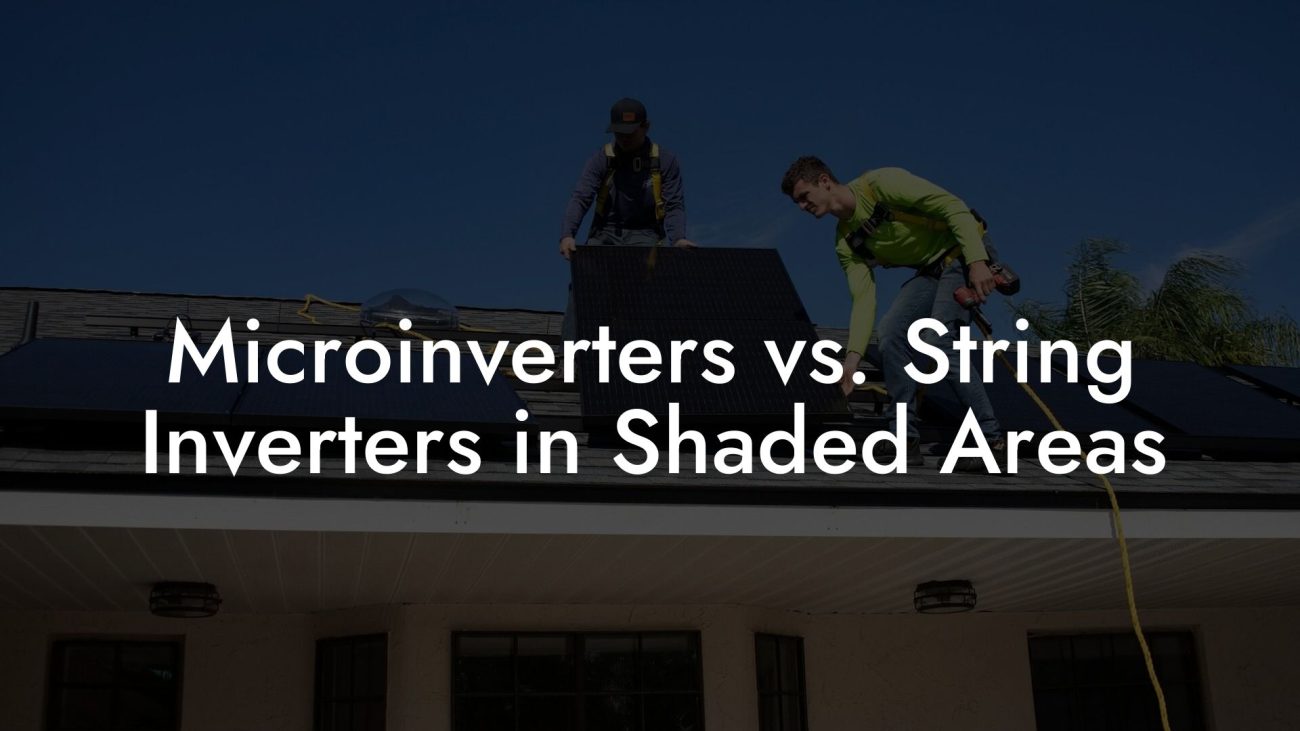
- String inverter: one central unit for the whole array. Most cost-effective, ideal for simple, unshaded roofs. The catch: shading on one panel drags down the whole string.
- Microinverters: one small inverter per panel. Each panel works independently, so partial shade hurts less, and you get per-panel monitoring. Costs more, but excellent for complicated or partly shaded roofs (think a shaded Auckland section with a big tree next door).
- Power optimisers: a middle path. A string inverter plus a small optimiser on each panel. Good for moderate shading.
For a clean, north-facing Canterbury roof, a quality string inverter is usually the right and most economical call. For a chopped-up roof with shading, paying up for microinverters or optimisers genuinely pays off. Matching the inverter to your actual roof is one of the highest-value decisions in the whole job, and it's covered in more depth in our main rundown of solar hardware and how the pieces fit together.
Sizing the inverter correctly
A small unique tip: it's normal and good practice in NZ to slightly oversize your panel array relative to your inverter (for example, 6.6kW of panels on a 5kW inverter). Because our panels rarely hit their full rated output in real conditions, this "DC oversizing" squeezes more useful generation out of the inverter across the day, especially in the shoulder hours of morning and afternoon. A ratio up to around 1.33:1 is common and sensible. If an installer has matched panels and inverter one-to-one, ask why; you may be leaving free generation on the table.
Batteries: the honest version
Here's where we'll save some of you several thousand dollars. A home battery is a wonderful piece of kit, and for plenty of NZ households it does not yet stack up financially. Both things are true.
What a battery costs in NZ right now
A typical installed home battery in 2025 runs roughly $1,000 to $1,400 per usable kWh. A popular 10kWh to 13kWh battery therefore lands somewhere around $10,000 to $18,000 installed, depending on brand and whether it includes backup capability.
That's a serious chunk on top of the panels. Whether it pays back depends almost entirely on a single factor most people overlook.
The self-consumption trap that decides everything
This is the insight that separates a good battery decision from a bad one, and two identical houses next door to each other can land on opposite answers.
Your solar generates most in the middle of the day. The value of a battery comes from storing that midday surplus and using it at night instead of buying from the grid. So the maths hinges on the gap between two numbers:
- What your retailer pays you to export surplus solar (the buy-back rate).
- What your retailer charges you to import power at night.
If your buy-back rate is low (some plans pay only a few cents) and your night-time import rate is high, a battery is worth more, because you're avoiding expensive imports and not losing much by not exporting. If you're on a plan with a generous buy-back rate, the gap shrinks and the battery's payback stretches out for years.
This is why plan choice can matter as much as the battery itself. Buy-back and import rates shift constantly across Genesis, Mercury, Contact, Meridian, Octopus, Electric Kiwi and the rest, so before you spend a cent on storage, run your actual numbers against current rates using our tariff and buy-back comparison tool. Plenty of people discover the battery makes sense only after they switch plans, or that switching plans alone captures most of the benefit.
When a battery genuinely makes sense
- Your home is empty during the day, so you'd otherwise export most of your generation at a poor rate.
- You face frequent outages and value backup (rural Top Energy and Aurora networks, parts of the West Coast).
- You have or plan an EV and high evening load.
- You're on a plan with a poor buy-back and high night rate.
When to hold off
- You're home during the day and already self-consume most of your solar. A battery has little surplus to store.
- You're on a strong buy-back plan that already rewards your exports well.
- You're tight on budget and the panels alone deliver the bulk of the savings (they usually do).
There's no shame in a battery-ready system without the battery. Wiring for it now and adding storage in a few years, when prices fall further and your situation is clearer, is often the financially sharper move. The whole battery question is involved enough that it deserves its own deep treatment, and the comparison tool above is the fastest way to see your own answer.
Battery warranties and the "throughput" catch
Battery warranties are typically 10 years, but they're capped two ways: by years, and by energy throughput (total kWh cycled through the battery) or a number of cycles. Whichever comes first ends the warranty.
They also guarantee a retained capacity, often around 70% at year 10. So a 13kWh battery may only be warranted to hold about 9kWh by then. That's normal chemistry, not a fault, but you should price your savings on the average capacity over its life, not the shiny day-one number.
Putting a system together: how the pieces should match
Good solar isn't a shopping list of the best individual parts. It's a matched set. The panel voltage has to suit the inverter's operating window. The inverter has to talk to the battery. The monitoring has to actually work on your phone.
A common quiet failure is mismatched components that technically function but never perform to spec, and may void warranties because the manufacturers never approved the pairing. When you compare quotes, you're really comparing system designs, not brands. A cheaper quote with a mismatched inverter and battery can cost you far more over a decade than a slightly dearer one that's properly engineered.
To sanity-check what a well-designed system should generate and save on your specific roof and region, our solar cost and ROI calculator lets you model it with real NZ assumptions before anyone sets foot on your property.
Regional realities that change the "best" answer
The right hardware genuinely differs around the motu.
- Northland and coastal Auckland: high sun hours but humid, salty air. Prioritise corrosion-resistant frames and panels with strong product warranties; check the salt-mist and humidity ratings.
- Auckland (Vector network): two-storey homes and tree shading are common, which often justifies microinverters or optimisers.
- Canterbury (Orion network): big roofs, clear cold winters. Cold actually improves panel efficiency. String inverters and N-type panels shine here.
- Central Otago (Aurora network): brilliant clear winter skies and hard frosts. Excellent solar resource; make sure batteries are rated and sited for cold.
- Wellington (Wellington Electricity network): serious wind. Mounting and racking quality matters as much as the panels; insist on a wind-rated mounting system suited to your zone.
- West Coast: genuine cloud and lower sun hours. N-type's better low-light behaviour earns its keep, and realistic generation expectations matter.
Sun-hours data for your area comes from NIWA, and EECA publishes guidance on typical household generation. Any installer worth dealing with will model your output using local irradiance figures, not a national average.
What solar hardware won't do
Straight talk, because it builds more trust than any sales pitch.
- It won't zero your winter power bill. A grid-tied home still draws from the grid on dark winter evenings. Solar trims your bill substantially; it does not erase it.
- A standard grid-tied system won't power your home in a blackout. For safety, most inverters shut down when the grid is down, unless you have a battery with backup capability specifically configured for it.
- More panels won't help a household that's never home in daylight without storage or a strong export plan; you'll just export cheaply.
- Premium gear won't rescue a bad install. Workmanship, sizing, and design outweigh brand badges every time.
Your practical buying plan, in order
- Know your usage first. Pull 12 months of power bills and note how much you use, and crucially when. Daytime-heavy or evening-heavy changes everything.
- Check your plan's buy-back and import rates using the buy-back comparison tool before deciding on a battery.
- Model the system on the ROI calculator to get a realistic generation and payback picture for your region.
- If you're financing, check whether you qualify for a low-rate green loan, which can change the maths considerably, using our green finance qualifier.
- Get three quotes from vetted installers so you're comparing system designs, not sales patter.
- Read each quote line by line. Confirm panel and inverter brands and models, both warranty types and their lengths, the workmanship warranty, manufacturer registration, and whether an inverter replacement is built into any savings projection.
- Ask the awkward questions: Is the array oversized relative to the inverter? Are all components manufacturer-approved together? Who handles a warranty claim, and is labour covered?
Frequently Asked Questions
What are the best solar panels for a New Zealand home in 2025?
For most homes, a tier-1 N-type panel from a manufacturer with a strong local presence and a long product warranty (ideally 25 years or more) is the sensible choice. The "best" specific brand depends on your roof size, shading, and budget. On a tight roof, prioritise efficiency; on a big roof, prioritise value per watt and a low degradation rate.
How long do solar panels last in NZ?
Quality panels are warranted for 25 to 30 years of performance and routinely keep working beyond that, with output slowly declining. The inverter is the part you'll likely replace first, usually around year 12.
Is a solar battery worth it in New Zealand?
It depends almost entirely on your daytime usage and the gap between your power plan's buy-back rate and night-time import rate. If you export most of your solar at a low rate and pay a lot to import at night, a battery makes more sense. If you're home during the day or on a strong buy-back plan, the payback can stretch out a long way. Run your own numbers before committing.
What does "Tier-1" actually mean?
It's a financial ranking of manufacturer bankability, not a measure of panel quality or lifespan. It's a useful signal that the maker is likely to survive and honour warranties, but it doesn't tell you the panel is good. Judge quality on efficiency, degradation rate, and warranty terms.
What's the difference between a product warranty and a performance warranty?
The product warranty covers physical faults and failures. The performance warranty guarantees a minimum power output over time. A panel can have a long performance warranty but a much shorter product warranty, so always check both numbers separately.
Should I get microinverters or a string inverter?
For a simple, unshaded roof, a quality string inverter is the most cost-effective and reliable choice. For a complicated or partly shaded roof, microinverters or optimisers usually pay for themselves by stopping shade on one panel from dragging down the rest.
How big a system do I need?
Most NZ homes land on a 5kW to 8kW system, costing roughly $9,000 to $18,000 installed depending on size and components. The right size comes from your annual usage and how much of it falls in daylight hours, not a one-size-fits-all rule.
Will solar power my house during a blackout?
Not on its own. A standard grid-tied inverter shuts off in an outage for safety. You need a battery with backup capability, specifically configured, to keep the lights on when the grid is down.
Do cheaper panels really cost more in the long run?
Often, yes. Cheaper panels typically degrade faster and carry shorter warranties, so they produce less power over their life and risk leaving you exposed if the manufacturer disappears. The upfront saving can be wiped out by lower lifetime generation and a weaker warranty.
How do I know my warranty is actually valid?
Make sure the system is installed by a certified installer to the manufacturer's spec and registered with the panel and inverter manufacturers after install. Ask for written confirmation of registration. An unregistered or non-compliant install can void your warranty without you realising.
Does the inverter need replacing before the panels?
Usually, yes. Plan for an inverter replacement around year 12 to 15, typically $2,000 to $4,000. Any savings projection that runs 25 years without including this is overstating your return.
What single thing matters most when choosing hardware?
How well the whole system is designed, sized, and installed for your specific roof and usage. Properly matched, well-installed mid-tier gear beats premium gear thrown together badly, every time.
The bottom line
The best solar panels and batteries for your home are the ones that match your roof, your region, and the way your household actually uses power, installed properly by someone who'll still answer the phone in a decade. Chase good design over big brand names, read both warranty numbers, build the inverter replacement into your maths, and only add a battery once your own buy-back and import rates say it earns its place.
Get those calls right and solar is one of the genuinely good-news decisions a New Zealand household can make. If you want to go a layer deeper on how all the components work together, our full rundown of solar hardware and tech is the natural next read, and when you're ready for real numbers, the three free quotes from vetted installers will tell you exactly what it looks like on your place.
What to Do Next
If you only do three things, do these. First, dig out 12 months of power bills and work out how much of your usage falls in daylight; that single fact shapes everything from system size to whether a battery is worth it. Second, run your own buy-back and import rates through the tariff and buy-back comparison tool so you're deciding on storage with real numbers, not a sales hunch. Third, model a properly sized system for your region on the ROI calculator.
Once you've done that homework, line up three free quotes from vetted installers and read each one line by line: panel and inverter models, both warranty types and their lengths, the workmanship warranty, manufacturer registration, and whether an inverter replacement is built into the savings projection. Walk in with those questions and you'll be the best-informed person in the room, which is exactly where a homeowner should be.